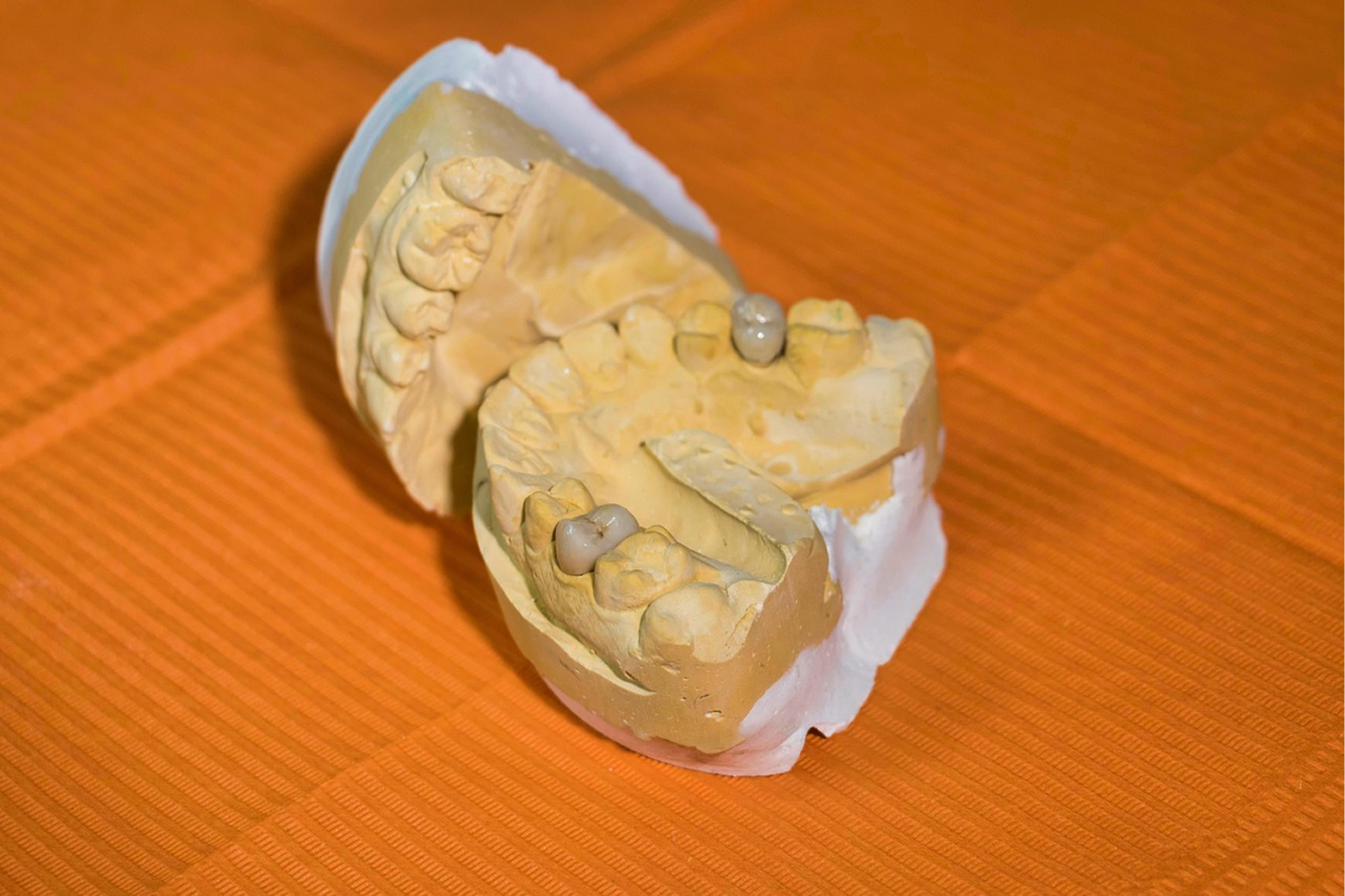
Restore the anatomical shape, aesthetics and impaired function of your tooth.

A crown is a “cap” placed over a damaged tooth and held in place by dental cement. Crowns can be fitted where a tooth has been broken, damaged or decayed. Crowns can be made from gold and metal alloys, acrylic, porcelain and ceramic. Porcelain or ceramic crowns can be matched to the colour of your natural teeth. Metal alloys are generally stronger than porcelain and may be recommended for back teeth.
These are laboratory-made restorations usually considered for back chewing teeth that are broken down or to replace existing large fillings. They help give the tooth strength or aid in restoring the tooth shape. Sometimes it is considered when a normal filling isn’t strong enough to fill a large hole in a tooth.
An inlay fits within the confines of the teeth, whereas an onlay covers the entire chewing surface of the tooth. Inlays and onlays can generally last anywhere between 5-15 years, depending on regular oral hygiene and dental habits.
Within the dental industry, we understand that it can be confusing with the terminology of crowns, inlays, o-lays and fillings overlapping. However, don’t worry, we will break everything down for you so that you can clearly see the options available to you.

The procedure involves removing any decayed tooth structure or old fillings, preparing the tooth cavity, and taking an impression of the cavity so the lab can fabricate a custom-fit crown /inlay / onlay. Two visits are required to complete the treatment.
The most vulnerable portion of the crown is the margin between tooth and crown. Regular check-ups with your dentist and hygienist are highly important and can be arranged around your busy schedule. It’s also important to maintain and keep up with everyday good dental habits, such as brushing your teeth twice a day and flossing where you can. This can be supported with regular visits to our dental hygienist team. Furthermore, we also recommend reducing your consumption of sticky and hard foods, as crowns can be damaged just like normal teeth.